
issue-brief
Generative AI and Terrorist Propaganda in South Asia
October 8, 2026
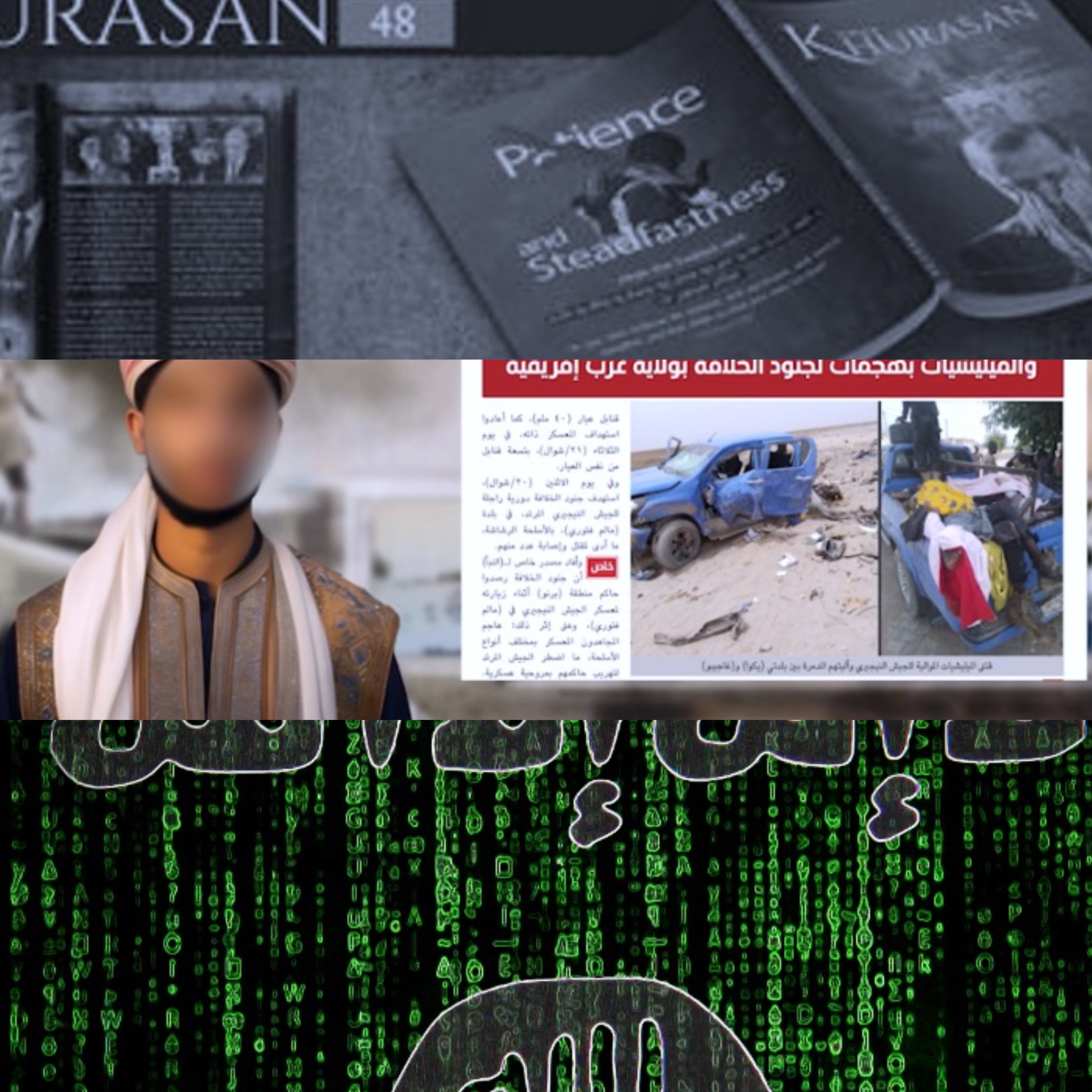
Generative AI (GenAI) significantly lowers the cost, time, and technical skill required to produce extremist propaganda. This paper examines how terrorist organizations in South Asia, most prominently Al Qaeda and Islamic State Khorasan Province (ISKP), leverage GenAI across their media and operational workflows. Groups utilize synthetic news presenters, multilingual audio, AI-generated images, and rapid repackaging of jihadist media. AI-driven translation presents the most consequential regional development, enabling seamless dissemination across Arabic, Urdu, Pashto, Persian, Hindi, Bengali, Tamil, and other local languages. Overall, the paper demonstrates that GenAI accelerates existing activities rather than fundamentally altering organizational or operational capabilities, and increased media output has not demonstrably expanded recruitment. Counter-terrorism responses should prioritize multilingual monitoring, digital forensics, platform cooperation, and targeted safeguards for AI models.
Author: RUCHIKA KAKKAR is a Research Assistant at the Institute for Conflict Management (ICM), New Delhi, specializing in security dynamics across Jammu & Kashmir, Punjab, and South Asia. At the South Asia Terrorism Portal (SATP), she maintains regional conflict databases, tracks daily counter-terrorism developments, and contributes to ‘South Asia Intelligence Review’ (SAIR) assessments and global geopolitics analyses. A PhD candidate in Geopolitical Strategy at Sharda University, she researches strategic hedging in the Bay of Bengal. Ruchika holds an MA in Political Science (Delhi University), a BLIS (IGNOU), and is a two-time UGC-NET qualifier with prior university teaching experience. Email: ruchikakkar504@gmail.com/ The views expressed in this paper are personal.
Read / Download: Issue Brief
Ruchika Kakkar, "Generative AI and Terrorist Propaganda in South Asia", SSPC Issue Brief, October 08, 2026, https://sspconline.org/issue-brief/generative-ai-and-terrorist-propaganda-south-asia
SSPC-IB-October 08-2026-RKakkar.pdf
(824.67 KB)