

China, India: Beefing up Nuclear Deterrence!
The Pentagon releasing annual reports on Chinese Military Power is not new. However, for all these years, the Pentagon’s basic mandate has been to contextualize the Chinese threat to US interests.
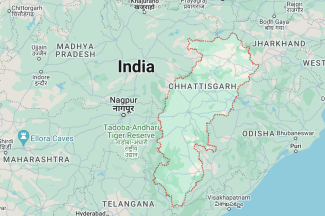
Chhattisgarh: Still the Battleground!
Union Home Minister, P.Chidambaram on 15 June 2011, revealed that the Maoist/Naxalite violence had dropped by over 40 per cent, and he credited this change to the success of the “two-pronged strategy”, a combination of the development programme and police actions being adopted by the Maoist affected provinces. He stressed that 80 policemen have been killed so far this year by Maoists as compared to 177 during this time last year. Civilian casualties, too, have come down to 190 from 296 in the previous year.

India’s Emerging International Stature in the Twenty-first Century
India, today, stands at a threshold in leveraging its economic and military growth in consonant with its national security goals. This situation has earned both a national identity and an international status, where economic and military strength are major determinants. Ironically, India’s growing global status coincided with two major international developments: One is the disintegration of the erstwhile Soviet Union, and the second one is the end of the Cold War.
India, Japan Maritime Cooperation
The Indian Navy announced plans to dispatch a flotilla of four warships to the Asia Pacific region in March-April this year. These vessels will make goodwill visits to ports in the region and also engage in joint exercises with a number of regional navies: Singaporean Navy for the exercise Simbex in South China Sea; Malabar with the US Navy and the Japanese Maritime Self Defence Force (JMSDF) off the Okinawa coast; and Indra with Russian Navy off Vladivostok.

India and US: Overview of an Upswing Relationship
Both India and the United States are stable democracies. From America’s standpoint, post-World War II, a new democratic regime in India was counted upon as a strategic ally for containing Soviet influence in Asia. Yet, India refused to be an ally of the US. Strongly allied with Britain through both World Wars, the United States had a policy of ambivalence towards colonial India. F.D.Roosevelt and Truman paid scant attention to the cause of Indian independence and did not press hard Churchill or Atlee, the British Premiers during World War II to give independence to India.

Nuclear Terrorism: How Serious is the Threat?
The newly unveiled U.S. Nuclear Posture Review focuses on five key objectives; one of them is preventing nuclear proliferation and nuclear terrorism. The report underscores nuclear terrorism as ‘today’s most immediate and extreme danger.” What is Nuclear Terrorism and how serious is the threat? Is it an overrated nightmare? Some facts here:
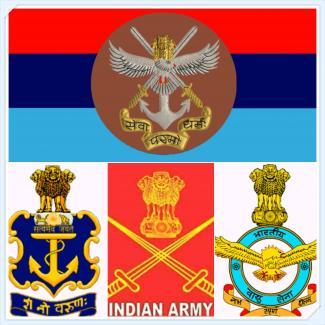
India’s Defence Procurement Procedure: One Step Forward, Three Backwards
The new Defence Procurement Procedure (DPP) was officially released by the defence minister on January 13, 2011. This bulky document—281 pages long and revised eight times in the last nine years—comes into effect on January 1, 2011.

Terror and Politics: Lashkar-e-Taiba, HuJI and Assassinations in Bangladesh
Very often, western observers play down the existence and influence of Pakistan-based Lashkar-e-Taiba and Harkat-ul-Jihad Islami inside Bangladesh’s territory. Investigations into several terror strikes in Bangladesh that occurred between May 2004 and December 2005 have revealed, instead unearthed, a lethal nexus between these two Pakistan-based terror groups and a couple of mainstream political parties (Pro-Islamic Bangladesh Nationalist Party (BNP) and the Jamaat-e-Islami (JeI) in Bangladesh.
India: Defence, Beyond Action-Reaction
Yet again, India’s defence budget has escaped larger national attention this year. The defence component of the national budget accounts for 14% of central government expenditure but gets less than 5% of media space, the bulk of which goes towards data released by the government with sporadic analyses by experts. Virtually no discussion on the issue takes place in Parliament either. A call for increased resources for national defence usually only goes out when defence spending by Pakistan and China makes headlines.