
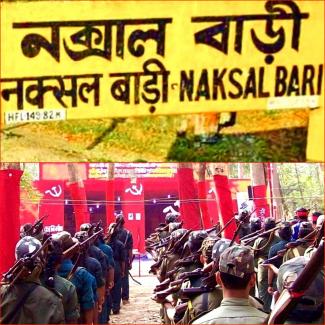
Naxal War Zone in Chhattishgarh
Wasting no time after the ban was imposed in Andhra Pradesh, Naxals launched an attack in Chhattisgarh early this month by triggering a landmine, which left at least 23 security personnel dead. This blast, near Padeda village in Dantewada district, was powerful enough to awaken the State government from deep slumber and complacency. A ban on the Communist Party of India –Maoist (CPI-Maoist), the perpetrator, and its front organizations followed after an emergency meeting of the Cabinet in the State capital, Raipur.

Towards Greater Transparency: Strategic Forces Command of India
The Strategic Forces Command of India, which forms part of the country’s Nuclear Command Authority, is responsible for managing and administrating strategic and tactical nuclear arsenal. Commensurating with the recommendations on national security management, the SFC came into existence on January 4, 2003. While acknowledging the onerous tasks SFC was undertaking, more transparent measures have been recently declared to clear certain anomalies and create more transparency on aspects of India’s nuclear policy.
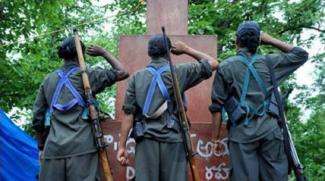
Andhra Pradesh and Naxal Outfits: Again on Collision Course
It took the Andhra Pradesh government at least thirteen months to realize that its much-publicized honeymoon with the Naxal groups was a damp squib. Instead, the Naxals used the period as an opportunity to regroup, rearm, and consolidate in new areas.
Nuclear Islanding
Most Indians find the Americans overbearing and unjust. They find the Americans fiercely self-obsessed and highly individualistic. Most importantly they find the American policy towards India a consequence of or an offshoot of American policy to “something else” and not a policy that is based on an independent recognition of India as moral power. They think that America is far too in love with Pakistan and unjustly gives them a long rope. Naturally, against this backdrop of this, it is becoming difficult for many to digest the latest Indo-American deal on nuclear power.

Maldives: Towards Democratic Reform and Peace
On June 2, 2005, the Maldivian parliament voted to allow multi-party democracy for the first time in the tiny atoll nation ruled by President Maumoon Abdul Gayoom since 1978. The parliament unanimously approved a resolution to allow political parties to seek recognition and contest elections, ending the no-party system in the nation. The motion was moved based on a request from President Gayoom to review its earlier decision not to allow political parties in the country.
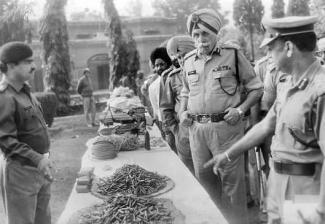
Punjab Militancy: Remnants Reviving or Loosing Ground?
The arrest of three Babbar Khalsa militants on July 17 near Madhopur Chowk in Fatehgarh Sahab district of Punjab, along with assault rifles and explosives, have not only underscored the outfit’s weakening stature in Punjab but also show a trend of desperation within the residual Babbar Khalsa International (BKI) elements who either are attempting to come over ground or to flee the country.

Natural Gas: The Fuel of 21st Century
The shift in the global energy matrix in favour of hydrocarbons has posed many serious issues, including environmental concerns. It is precisely because of these adverse consequences that Natural gas has been accepted as the preferred fuel for the present century. Unlike other fossil fuels, it is one of the cleanest, safest, and most useful energy sources.
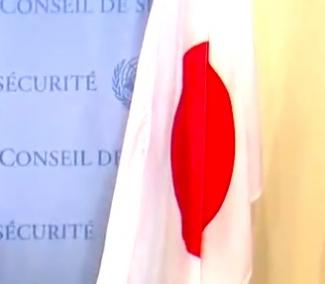
For A Rightful Place: UNSC Reforms and Japan
As per the UN High-Level Panel Report on Threats, Challenges, and Changes [titled ‘A More Secure World: Our Shared Responsibility’], two options were recommended for broadening the current representation of the UN Security Council. This was done primarily to provide geographical balance and change power equations since the end of World War II and the creation of the United Nations.
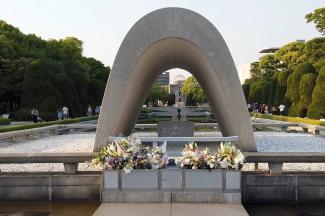
Remembering the Nuclear Holocaust
“Today we are all Hibakusha,” UN Secretary-General Kofi Annan said, using the Japanese term for victims of the Hiroshima and Nagasaki nuclear bombings on the occasion of the Sixtieth anniversary of the events. Annan urged international leaders to take action against the spread of nuclear weapons.