COP30 in Belém: Fragmented Multilateralism, Erosion of Climate Mitigation and Inclusion of Trade
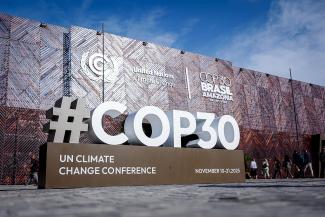
Has the 30th edition of the UN-sponsored climate summit, COP30, been delivered as initially expected? Indeed, trust in the Paris Agreement has been maintained and partly fulfilled. Confidence in multilateralism remains strong despite the absence of the second-largest emitter of Greenhouse Gases (GHG), the US. However, the divisions among coalition member groups within COP remain as sharp as they have been in 30 years of climate negotiations. Additionally, there is neither a financial commitment from developed member countries nor a clear plan for phasing out fossil fuels, which are major contributors to climate change. As a result, 194 parties (excluding the US) to the UN Framework Convention on Climate Change (UNFCCC) have collectively left the planet vulnerable to rising temperatures by slowing climate action.
Termed as the ‘COP of Truth’ and ‘COP of Action’, the COP30 in Belem, Brazil, concluded on November 22, extended by a day from its original schedule, and can now be called the ‘COP of Concede’. Continuing to trust in multilateral climate cooperation and maintaining the stature of Brazilian leadership, the outcome of the climate summit is mixed, marked by high disappointment and low ambitions. Climate minister of Sierra Leone, a small West African nation, lamented that they ‘leave COP with indicators that are unclear, unmeasurable, and in many cases, unusable’. Is consensus-based decision-making, as the guiding principle of the Conference of the Parties (COP), producing compromised outcomes and high levels of disappointment in addressing an imminent and urgent threat?
It is clear that climate change mitigation, as the UNFCCC's main goal under Article 2, has been gradually deprioritized. Stabilizing GHG concentrations within a timeframe is supposed to be the primary responsibility of the COPs. Over 80 COP members supported Brazil’s proposal for a formal roadmap to phase out fossil fuels. However, resistance from major oil-producing countries and their political allies has successfully prevented a fossil fuels roadmap from being included in the final agreement. Unusually, the final deal makes no direct mention of fossil fuels. The only reference is from the COP 28 decision, which calls for a transition away from fossil fuels.
By avoiding climate mitigation commitments at COPs, both developed and developing countries benefit. Developing nations, especially emerging economies such as India and China, oppose any binding emission-reduction obligations. Similarly, developed countries are comfortable as long as there are no legally binding requirements for providing climate finance to developing countries for emission mitigation.
Similarly, the countries voluntarily agreed to establish a two-year program to help developing countries raise at least $1.3 trillion annually until 2035. During the last COP, the obligation of developed countries to provide funding for climate mitigation in developing nations shifted toward ‘voluntary mobilization by all’ in Belem. A changing landscape in climate negotiations is emerging, where emerging economies are taking on roles traditionally held by others.
Linking trade to climate change was expected at COP30. Attendees and followers of climate COPs are familiar with diversion tactics, such as strategies that shift focus away from key issues like phasing out fossil fuels, financial commitments, and delaying action. Trade measures such as carbon adjustments and a tariff on goods that account for GHG emissions during production were intentionally included throughout negotiations. However, India and China strongly opposed such measures, deeming them discriminatory. While COP30 promotes aligning trade with climate action, it also highlights the concerns of developing countries to prevent unilateral manipulation of international trade. Similar to the legacy of the Bali COP (2007), where climate shifted from an environmental issue to a development concern, the Belem COP has opened the door to several tough battles ahead in trade and climate.
To address the needs of the most vulnerable countries, COP30 agreed to a vaguely defined ‘tripling’ of financial support from developed nations to the adaptation fund. This increase has been highlighted as the most visible result of the Belem meeting. The question remains: how much funding has been allocated specifically for adaptation in the most climate-affected countries and communities to prepare for and respond to climate emergencies? Developing nations need about $365 billion annually for adaptation costs. Surprisingly, the UN Environment Program (UNEP) reports that adaptation finance flows to developing countries were only $26 billion in 2023 and $28 billion in 2022. Is the tripling of the adaptation fund sufficient to help communities and other living beings become resilient to climate disasters?
From a civil society perspective, Belam has advanced climate justice by establishing a just transition mechanism. A just transition is broadly defined as the process of moving toward low-carbon, environmentally sustainable economies and societies, ensuring that no one is left behind or pushed aside. While countries are expected to submit their views by March 2026, the mechanism aims to enhance international cooperation, technical assistance, capacity-building, and knowledge-sharing as nations work toward sustainability.
Most notably, the Belem has seen the official launch of the loss and damage fund established at COP27. Will the fund respond quickly and adequately where it is needed most, in the frontline of climate emergencies? Frontline climate activists remain skeptical. While COP30 acknowledged that more climate action and funding are urgently needed, it moved backward in providing clear guidance on how to achieve this. Will the COP process continue to be the only way to combat climate change?