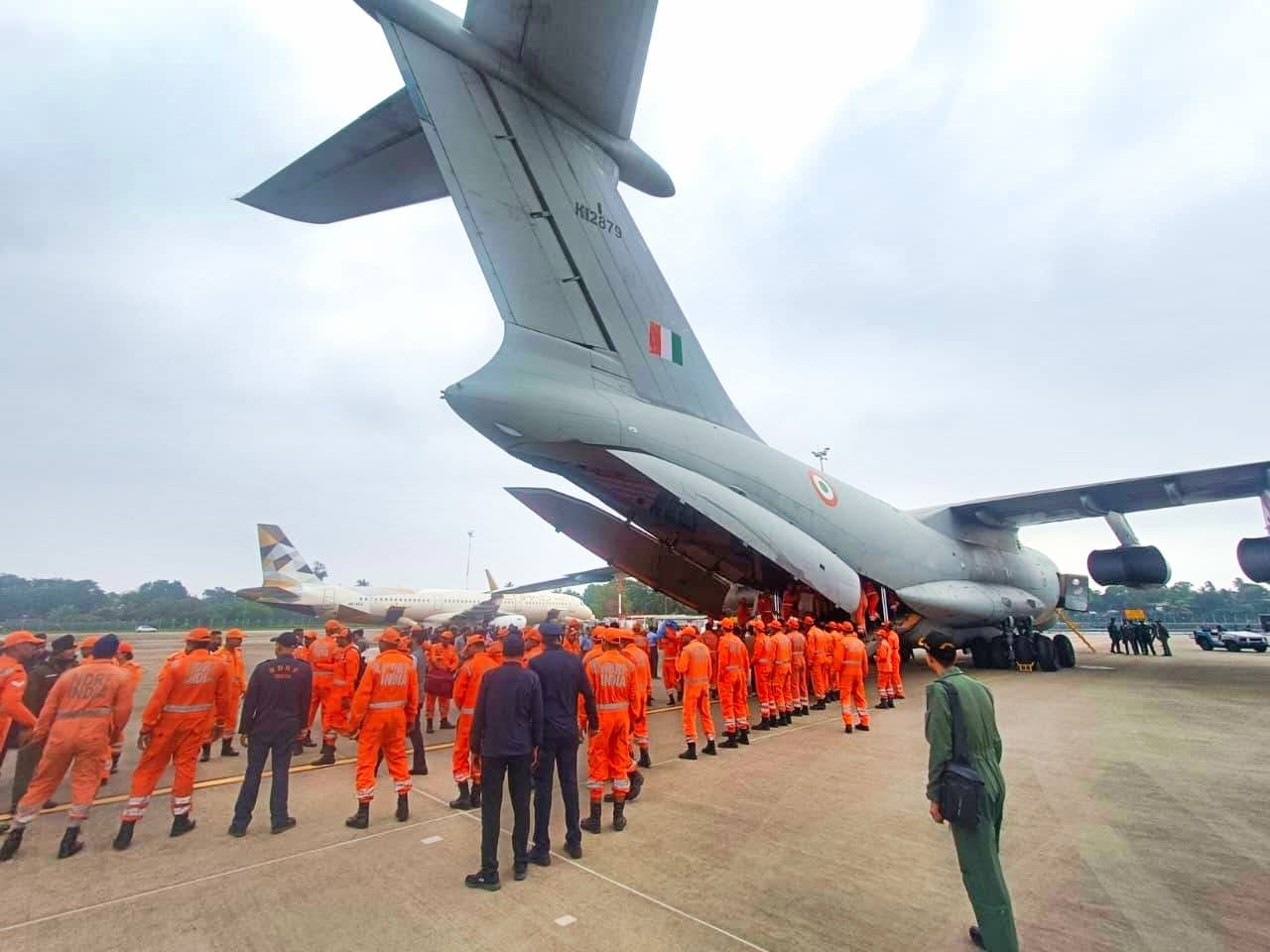
This commentary reviews the Indian Air Force's disaster relief efforts, focusing on biological and climate emergencies that challenge Humanitarian Assistance and Disaster Relief (HADR) frameworks. The IAF, as the primary responder, plays a vital role in domestic and international missions, thereby demonstrating the importance of air power in India’s disaster response and humanitarian efforts.
Biological Disasters, Climate Extremes, and India’s Air Power–Driven Humanitarian Outreach
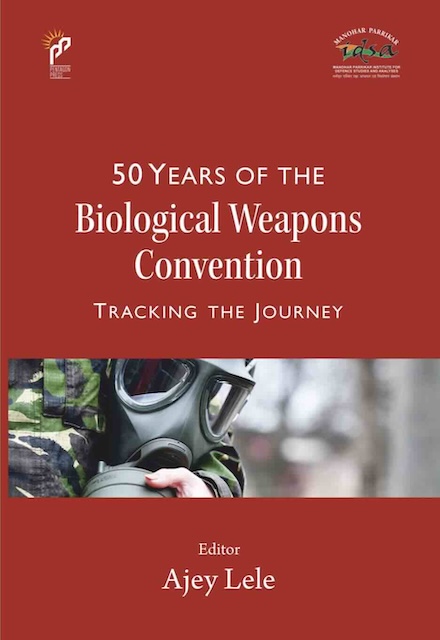
"50 Years of the Biological Weapons Convention" honors the Biological Weapons Convention (BWC) in its Golden Jubilee year (2025), recognizing it as “a foundational pillar of global disarmament and non-proliferation.”
50 Years of the Biological Weapons Convention: Tracking the Journey
The issue brief examines whether the IAF can sustain its required squadron strength against Pakistan and China and how this shortfall affects its readiness for a two-front war. It also assesses how force multipliers, technology, and evolving doctrines can offset numerical disadvantages and redefine India’s airpower strategy.
RECALIBRATING INDIA’S AIRPOWER STRATEGY: Managing Fighter Squadron Deficits in a Two-Front War Scenario
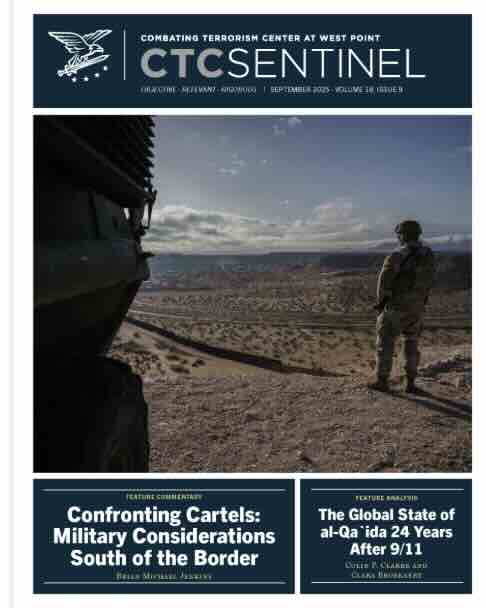
This article presents a chronological and thematic analysis of militant violence in Jammu and Kashmir from the abrogation of Article 370 of the Indian Constitution in August 2019 to July 2025. It traces three distinct phases: an initial decline in attacks due to lockdowns and security restrictions (2019-2020); a resurgence marked by hybrid militancy, targeted killings, and intimidation of civilians (2021-2023); and a lethal escalation involving high-profile and audacious assaults, intensified counterterrorism operations, and cross-border tensions (2024-2025).
Militant Violence in Jammu and Kashmir Post-Abrogation of Article 370
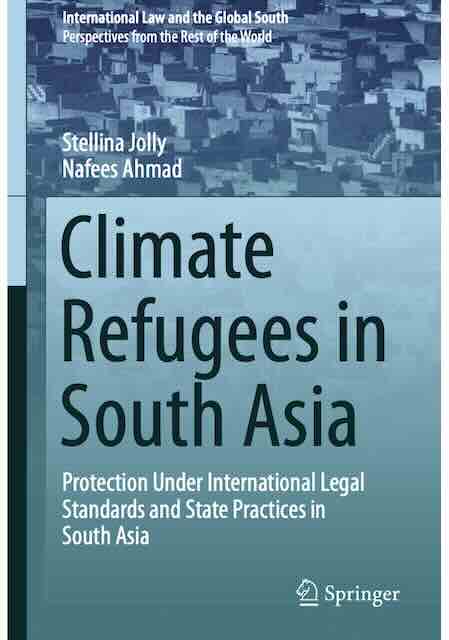
'Climate Refugees in South Asia' examines the convergence between climate change, displacement, and international law. It focuses specifically upon this intersection in the South Asian context. It is not just a study of legal frameworks, but it also highlights how current structures fail to respond adequately to the urgent humanitarian challenges of today.


From Gaza to Kashmir: The Limits of Trump’s Conflict-Resolution Diplomacy
Biological Disasters, Climate Extremes, and India’s Air Power–Driven Humanitarian Outreach
COP30 in Belém: Fragmented Multilateralism, Erosion of Climate Mitigation and Inclusion of Trade