

Drug Trafficking in India and African Connection
The recent illegal drug hauls in various parts of India and a couple of high-profile drug abuse cases involving people in power brought the spotlight back onto illegal drug issues in the country. India’s Anti Narcotics Bureau and the Directorate of Revenue Intelligence have seized drugs ranging from cocaine to heroin and other opiates worth millions of dollars in the international market within the last few months. The fact is drug trafficking and illegal drug abuse have been taking place in the subcontinent for a very long but have been relatively ignored.

Maternal Mortality: Women at Risk
Last May, Singari, a young mother, of Kharijhola village in Koraput district, Orissa, died just after giving birth to her son. The reason is the lack of access to basic health amenities. This is not an isolated case. Every second hour a woman dies due to pregnancy-related complications in Koraput. From the time of conception, death chases women like a shadow. The story of Singari is an imposing symbol of the high maternal mortality rate that grips India. While Orissa has the highest rate of maternal mortality rate in India, Koraput has one of the highest rates in the state.
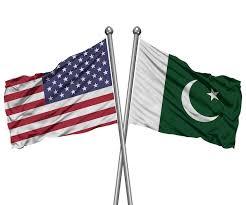
US Military Aid to Pakistan: Issues and Concerns
Indo-US relations have been on the upswing since the signing of the coveted nuclear deal during the US President’s visit to India in March. On the other hand, the Americans have not forgotten their old ally, Pakistan, altogether. The seriousness of the AQ Khan affair prohibits Americans from offering nuclear energy to Pakistan, but on the military front, they are ready to help their ally considerably.

Indo-US Nuclear Deal: Who is buying time?
As India and the US started technical talks early this month over a formal bilateral nuclear cooperation agreement, the focus has once again shifted to the difficulties both countries are facing in coming to a consensus. While India and the US are facing severe criticisms over the high-profile agreement, the situation is more complex on the US side. Though this is not surprising in the light of the US conceding ‘too’ much and India not losing ‘anything’, the clock is ticking for the passage of the deal in the US Congress.

Within Risk Paradigm: Is North Korea a Risk?
Whether to risk a status quo environment- an appetite for it or an aversion to it- is a meaningful way to explain crisis decision-making since it links the strategic and the psychological conceptions of choice. It portrays leaders as calculating goal-seekers while allowing them to have different personal decision-making styles.

Russian Reassertion: Towards Regaining Lost Glory
President Vladimir Putin’s recent address to the Russian Parliament has attracted much attention for obvious reasons. Pitched betwixt his second term as the President, which according to some could be extended through a constitutional amendment and his seemingly carefully calculated desire to name the successor, the speech reflects three interrelated factors – robust nationalism, comprehensive national power, and a reassertion of the state in global politics – a concoction of which conforms to what is known as realism in international relations.
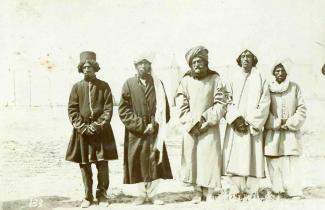
The Balochis of Balochistan
Of late, the Balochi tribesmen of Makkaran have been in the news because of their resentment and armed conflict against the Pakistani government. In India, not much is remembered about these people any more, particularly by the post-partition generation. In view of the security implications in our neighbourhood, it might be of interest to many to learn a little about the Balochis.
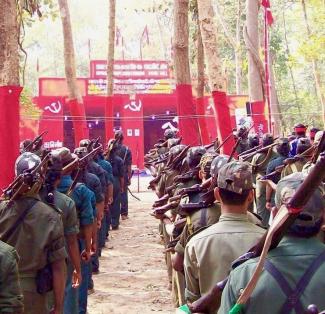
Maoist Consolidation Intensifies in Orissa
Despite incessant combing operations against Maoists in the jungles of both affected and targeted districts since the 24 March Ramgiri Udayagiri Jail attacks, the Maoist mobilisations continue unabated in Orissa. Undoubtedly, the operations had least impact on the Maoist movements in the Northern Orissa districts adjacent to the borders of neighbouring Jharkhand. They continue to camp freely in the inter-district borders and visit the villages at night to collect water and rations and organise village meetings. Even armed Maoists roam the village streets in groups of three to five.
Agro-terrorism: Not So Far From Reality!
Agro-terrorism has received little or no attention in India [or for that matter in South Asia] because terrorists have yet to employ agricultural assaults as a method of operation in this region. The threat scenario would involve a deliberate introduction of a disease agent, either against livestock or into the food chain, for purposes of undermining stability and/or generating fear among masses. Even terrorist group can achieve their objective by using radiological dispersal devices against food or water supply.